
In this insightful interview, Emma May and Alun Bedding explore the nuances of coaching and mentoring, sharing personal stories, frameworks, and practical tips to enhance professional growth. Discover how these powerful tools can transform statisticians’ careers and foster leadership development.
Key Topics:
- Differences and overlaps between coaching and mentoring
- Frameworks for mentoring conversations (Challenges, Choices, Consequences)
- The importance of independence in coaching and mentoring
- Building trust and confidence in professional relationships
- Role of reflective practice and visualization in growth
Episode highlights with timestamps
- 02:00 – Emma shares how coaching and mentoring helped her overcome limiting beliefs.
- 04:00 – Coaching vs. mentoring: the key differences and why both matter.
- 12:20 – Why technical expertise alone isn’t enough for career growth.
- 17:00 – The value of having an independent coach or mentor.
- 22:00 – Building leadership through small, consistent actions and accountability.
- 26:40 – How improv and role-play strengthen communication and leadership.
- 32:25 – Choosing between coaching and mentoring—and why one session can make a lasting impact.
Links and Resources:
🔗 Understanding Coaching & Mentoring PDF
🔗 The Effective Statistician Academy – I offer free and premium resources to help you become a more effective statistician.
🔗 My New Book: How to Be an Effective Statistician – Volume 1 – It’s packed with insights to help statisticians, data scientists, and quantitative professionals excel as leaders, collaborators, and change-makers in healthcare and medicine.
Join the Conversation:
Did you find this episode helpful? Share it with your colleagues and let me know your thoughts! Connect with me on LinkedIn and be part of the discussion.
Subscribe & Stay Updated:
Never miss an episode! Subscribe to The Effective Statistician on your favorite podcast platform and continue growing your influence as a statistician.


Never miss an episode!
Join thousends of your peers and subscribe to get our latest updates by email!
Get the


Learn on demand
Click on the button to see our Teachble Inc. cources.
Featured courses
Click on the button to see our Teachble Inc. cources.
Emma May
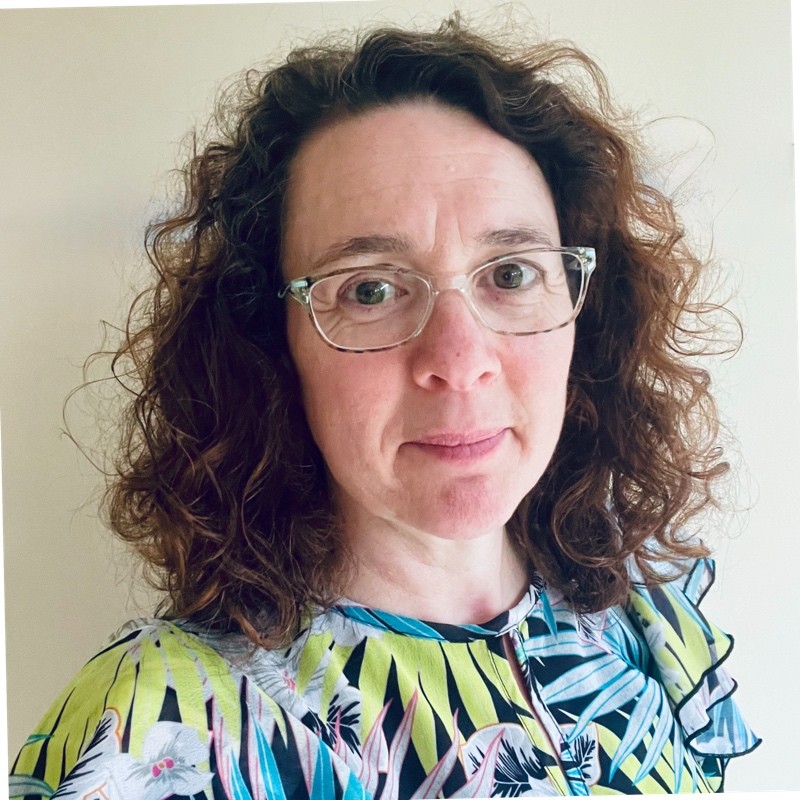
Founder of The Career Habit, offering leadership mentoring and training based on a framework for intentional career growth through small consistent actions that build habits and behaviour change.
Over 25 years of experience in Biostatistics within the Pharma, Biotech, and CRO sectors leading statistical teams and managing clinical projects.
Experienced in creating and facilitating professional development workshops, offering technical SMEs interactive opportunities to learn and improve leadership competencies.
Proficient in mentoring, building effective cross-functional teams, and developing collaborative client-sponsor relationships.
Leadership experience including individual statisticians, cross-functional teams, client portfolios and governance.
An active member of PSI, involved in professional development, developing operating guidelines and mentoring, and previously responsible for university outreach and holding the position of Membership Director.
An active volunteer involved in STEM activities with The Data Inspiration Group and Form the Future.
Transcript
00:00
You are listening to the Effective Statistician Podcast, the weekly podcast with Alexander Schacht and Benjamin Piske designed to help you reach your potential, great science and serve patients while having a great work-life balance.
00:22
In addition to our premium courses on the Effective Statistician Academy, we also have lots of free resources for you across all kind of different topics within that Academy. Head over to theeffectivestatistician.com and find the Academy and much more for you to become an effective statistician.
00:49
I’m producing this podcast in association with PSI, a community dedicated to leading and promoting the use of statistics within the healthcare industry for the benefit of patients. Join PSI today to further develop your statistical capabilities with access to the ever-growing video-on-demand content library, free registration to all PSI webinars, and much, more.
01:14
over to the PSI website at PSIweb.org to learn more about PSI activities and become a PSI member today.
01:30
Hello and welcome to the Effective Statistician podcast. My name’s Alan Bedding. I’m your host for today. And in these episodes, I explore things that can help statisticians become more effective. And today I’m welcoming back Emma May and we’re going to discuss all things coaching and mentoring and how they can both help statisticians. And before I go any further, Emma, I believe you’ve got a story to share the audience.
01:57
My story is not work related, but hopefully it helps us to open up a conversation about mentoring and coaching. My background is that I come from a family who well and truly believed that we could not sing. It would have been well known in our family culture that we weren’t singers. And this is how I’d grown up. And it was a true belief that I held deep, deep within me. And yet as a young adult, I felt a pull to join a choir.
02:25
And yet there was something inside me that said this wasn’t for me. I enlisted the help of my children’s godmother. She’s a music therapist and she was able to coach or mentor me through joining that choir. She coached me through understanding what it was that was holding me back and these beliefs I had. But she also mentored me because she had the musical knowledge and the skill to
02:53
me what I needed to move out of that. So that was for me, my first understanding of coaching and mentoring, how the two possibly are similar and different, overlap, because she offered me kind of both of those things in the role that she gave me. And that led me to think more about how we help each other, both in the beliefs we’ve got that hold us back and in the practical ways that we can move people forward when they’re facing a challenge.
03:22
I think that’s an interesting story. One of the things that I’ve come to realize is it’s not coaching or mentoring people, it’s coaching and mentoring. Because I believe you need both. I look back at my career in the pharmaceutical industry and I’ve had both coaches and mentors throughout my career. And they’ve both been really useful at particular times in my career. And even now, now I’m a fully fledged coach. I still have coaching. I still have a mentor.
03:52
So there’s nothing different about my career now as to what it was in the pharmaceutical industry. But I wonder, know, the listeners are going to be listening going, so what is mentoring and what is coaching? And I wonder if you want to a stab at both and then maybe I can do the same. Yes. And I think your point about them both being available is true because I think I’ve definitely picked up coaching styles, which influenced my mentoring.
04:20
And I’m sure the overlap is the other way around as well. Well, I have this framework for mentoring. It’s not a hard and fast framework, but it gives the mentoring conversations a bit of structure. And maybe it helps also highlight where the differences may be. So I would start my conversations typically with the mentee coming to the call and announcing what their challenges are that they’re facing, the particular things they want to talk about that session. It’s five C’s. So the first one is the challenges people are facing.
04:49
So they bring those, they’re driving the agenda. And then I would perhaps open up a conversation of what are the choices you’ve got when you’re facing this challenge? So that would be your second C. And then what are the consequences if you take one or other of these choices? What are the consequences? And it’s only after those steps of the conversation that would I start to become a mentor by offering perhaps some creative solutions.
05:16
And that’s, think, where the conversation would start to differ from a coaching relationship where actually I would say, have you tried this? Or you might want to explore that. And then we would go back to the mentee drive and the conclusions saying, I’m going to try X, Y, Z. These are my next steps. I want you to hold me accountable to whatever we’re going to do between the next two sessions. That’s what I do as a mentor. And perhaps if I’m correct, Alan, that creative solution element may be where…
05:46
We differ in how we help people. I’m not going to say it’s completely different because coaching to me, same as mentoring really is a partnership. So it’s a partnership, but coaching is looking at creating those shifts in thinking. It’s not giving advice or anything like that. It’s more helping the, I don’t know the word coachee or client, but helping the thinker to think more for themselves and come up with their own solutions. And what you’re doing as a coach is holding the space.
06:16
that allows that to happen. You’re allowing that to happen because one of the things we have an assumption in coaching is that you’re creative, resourceful and whole. Kimsey House et al mentioned that in Coactive Coaching and it’s that whole aspect that we feel our thinkers have it within themselves to create their own solutions and we just give them that space to do so. And it’s interesting that people feel they can self-coach or sometimes they think they self-mentor by the way.
06:46
That feeling of self coaching is not there because you also need somebody to challenge you. So coaching is not comfortable and mentoring should not be comfortable either. It’s a challenging space with lots of support in there. And the purpose I think of both of the modalities is to push somebody forward. And like I said before, I think they can work in tandem. Incidentally, I don’t know if I’ve ever shared this story with you. Do you know where the word mentor comes from? Oh no.
07:15
That would be interesting to know. I’ll go back to John Whitmore’s book, Coaching for Performance. And in it, he explains where mentoring comes from. It comes from Greek mythology. And when Odysseus went off to fight the Trojan Wars, he left his house and his son with his friend, Mentor. And he used the phrase he said to Mentor when he left, tell him all you know. That’s brilliant. Yes. That’s great because that is effectively what you’re doing, I think, in mentoring.
07:44
is you’re not saying you need to do this, you need to do this. You’re actually just sharing what you know as well. And interesting enough in the ICF International Coaching Federation, in their conferences now, they have sharing knowledge, but sharing knowledge without attachment. So once you share it, if the client or the thinker doesn’t want it, they can then just dismiss it. agree. You can offer ideas and offer things that have worked in different situations.
08:12
and just bored when someone’s thinking about potential solutions, but it’s really on the listener to say, actually, that’s something I’m going to explore and not on the coach or the mentor to push a particular agenda or an idea. The analogy that springs to mind for me is as you parent someone, as a very young, you can definitely tell them what to do and you should to keep them safe. As they grow into teenagers and young adults, all you can do is influence and offer them.
08:39
options and support to make good decisions. I think coaching and mentoring is like that. You offer potential solutions. It’s on the responsible adult to take them or leave them as they choose fit. And I think that’s where we can behave without falling into that advice monster trap because we’re offering solutions, not dictating a particular way forward. listeners, if you want to…
09:02
No, a bit more about your advice monster. I would recommend Googling Michael Bungaestania advice monster. And there’s a fantastic video which shows that everybody has an advice monster to the point where somebody will say, I want your fantastic advice. And you’ll be jumping in there to give it. I think that’s really important. What you’ve just said there, Emma, is that we need to pause before we try to give advice because often the advice is not what’s needed in the moment. I think.
09:31
we all carry our own baggage, whether it’s as a coach or a mentor, or whether it’s a person attending a session. And we all come with our own experiences and our own thoughts about what’s best practice. I wonder if I could go back to the point you made a moment ago, Alan, about people thinking they could self-coach or self-mentor, because I think what that actually is, it’s reflective practice. When you sit with your own thoughts on what’s happened, perhaps you look back on the week.
09:59
what happened well in a meeting or when did I speak and I wish I hadn’t or how does something play out? Actually, that’s reflective practice when you just look on your own and you see how can I grow or how can I learn from this? And I think that’s a valuable thing to do, but I think that’s the different thing to involving another person. I think you’re absolutely right. And I use self-reflective practice after all of my coaching sessions, not to reflect on the topic or anything like that, but how did I show up?
10:27
And I often watch recordings of my coaching to pick up, how did I show up in the room? What could I do better? And what could I do more of? And just to improve myself as a coach and that reflective practice is really important. I think what I talking about having another person in the room is one of the advantages of both mentoring and coaching is identifying blind spots. And by their very nature, you can’t do that on your own.
10:55
because how can you identify your blind spots, which are things that are unknown to you? So I think there is almost like a confirmation bias that comes if we try and self-coach. Yeah, there’s a lovely analogy that I’ve had recently. It’s not very easy to read the label of the jar when you’re inside the jar. So as an individual person, if you’re sitting inside your own jar, your own world, your view,
11:22
is only looking out through the jar. So any label on the outside of the jar, you can’t see from where you are. And that’s where you are when you’re doing that reflective practice, your self-reflection. But if you bring in a coach or a mentor, an independent person who comes from the outside of the jar, they have a very different perspective on what you’re doing inside it. And they can reveal things to you through those sessions and through the discussions that you would never be able to see because you can’t clearly see the outside. And I love that.
11:52
imagery. metaphor of being in the jar and the perspective, because if you look through glass, you get a different perspective than if you’re looking outside from the label from the outside. So yeah, that’s a great metaphor. I wanted to move on a little bit because this is the Effective Statistician podcast and the listeners now may understand the difference between mentoring and coaching. What’s in it for them?
12:20
Well, in a single word, growth. The mentoring I do focuses on people’s professional development. So we’re thinking particularly about leadership competences, things like communication, listening, influencing, negotiating, a lot of the things that we don’t learn as statisticians that you learn by applying. You understand a concept that then you have to go away and do it. You have to practice it. And by practicing it, you may face challenges, you may fail.
12:49
You have an interaction with another person. With one person, you might have some success, however you may define that. But you may do the same thing with another person. And actually the communication there or the way you influence and negotiate that comes across completely different and fails. And so how do you learn? How do you grow? How do you keep becoming a better communicator, better leader, more effective as a statistician with all these other skills that are not analytical?
13:14
which you learn through trial and error and growing. So it’s a mechanism for growth, I think, and to become a much more effective statistician than you would if you just concentrate on your analytical work and becoming a fantastic programmer or, you know, analyst. What do you think? Well, let’s be clear listeners. We’re not saying you shouldn’t be good on your technical skills because they absolutely should be there. Absolutely. They’re the bedrock of it all. Yeah.
13:40
But what we’re saying is there’s another side which you also need to develop. The idea of mentoring around specific topics around communication and sharing your own thoughts and best practices that you’ve come across. think what a coach can then help is letting that thinker explore, let’s take the communication aspect. Let them explore, first of all, what does communication mean to them? What does good communication look like for them?
14:07
And if they were effective in their communication, what would that bring them? So it’s digging into really the deeper stuff that’s going on within a person. One of the things that I find with coaching is once you get people outside their heads and into their bodies, if they become a good communicator, what’s that doing for your body? Is it releasing some tension? I don’t usually ask that, but they may go, well, I feel less tense. I feel more confident. And if I fail, I can then bounce back up.
14:36
And that’s so much more than just thinking in the head about techniques, but techniques are important and tips are important. So I think that’s where both can work quite nicely together. And my acronym for fail, I’m not going to claim that I invented this. think I took this from somebody else that fail is first attempt in learning. Absolutely. They say I failed. I’m like, well, reframe fail as first attempt in learning. And it really then brings somebody out of themselves.
15:07
And I just want to go back, you use the word confidence there in your description. And that is a hundred percent something that’s really key to the mentoring kind of journey as well. It’s often I find people have the knowledge, they have the skills, but it’s all about confidence in applying it. I see time and time again, people telling me they know what they want to do, but there’s something holding them back and just building that confidence and building that.
15:35
resilience that if you try it and it doesn’t quite work, it’s okay. Being vulnerable is okay. Most of the people you work with will be very humble and encouraging if they can see you’re trying to grow and to develop. So confidence often comes up in different shapes and forms, depending on the personality. I think that is behind a lot of things is just being confident to try things, knowing that you might fail the first time, but that’s a step.
16:04
to growing and developing and becoming the person you want to be. And you mentioned that growing there as well. our jobs as both as mentors and as coaches is to help people grow. And the only way where they can grow is to push them outside their comfort zone. I remember one coach say to me, in fact, all coaches that I’ve said to me, they said, not your friend. I’m your coach or I’m your mentor. I’m not your friend. Because as we know, friends will tell us sometimes what we need to hear rather than what we need to know.
16:32
But a coach and a mentor will actually identify those blind spots, almost like Pocus. And through that we develop and Blakey and Dave, John Blakey, my own coach at the moment, they’ve got a support challenge matrix in their book, Challenging Coaching. And the high support, high challenge matrix is called the loving boot. It’s obviously meaning loving, but kicking you on, allowing you to develop. And I think.
16:58
That brings for me an important aspect of coaching and mentoring is that it’s independent of your line manager or the people that pay your salary and do your annual review and all that kind of thing. Because actually what you’re doing in coaching and mentoring is for me, it needs to be independent because it’s challenging. It might take you in different directions and you probably don’t want to risk your bonus or your appraisal.
17:25
to talk about the things that are difficult or challenging because you present a different base, although you are authentic at work, it’s a vulnerability that you can expose to a mentor and a coach that may not always be possible or wise to expose in a kind of hierarchy within the workplace. Yeah, and I agree with that. An independent coach or mentor shouldn’t be there as a substitute for their line manager or their leader.
17:51
It’s providing something that’s extra to that line manager and that leader. And you’re absolutely right in that if they engage with somebody independent, there is no, this is there because the line manager has got not just yes, they should still be coaching. Yes, they should still be mentoring, but they’re also got that job as a leader and there’s too much of a relationship there. And it’s one of the reasons why.
18:18
The International Coaching Federation, when they ask for you to put your hours down of coaching, they specifically say, this is not about coaching your direct reports. So you can’t put those down for that very reason that a line manager is more than just a coach or a mentor. They’ve actually got several different hats they need to play. Now that’s not to say they shouldn’t mentor and coach because they should. But having somebody independent gives…
18:46
that person, the mentee in your world, that gives them that opportunity to think deeply about a topic. If somebody comes from a mentor, a 60 minute or even a 30 minute mentor session or coaching session, they have 30 minutes or 60 minutes of dedicated time to work on a topic. That they’re not going to get from their line manager. That’s one of the things that I really love about working independently. Because when I was a line manager, when I was working within a company, you do have the pull of the business.
19:14
what the business needs from its team. And so you see people who are really pushing in a direction for their own personal growth, their career development, somebody who wants to move from being a statistician to a statistical programmer, for example, I had someone like that in my team. But actually the business requires them to stay in the role they’re in until the rest of the structure allows that support. And having to say, you can’t do it yet, you can’t do it yet, but how do we build the steps to allow it to happen?
19:41
Yeah. When you’re free of that structure, you can see much more clearly what might be different opportunities and different ways of tackling a challenge for someone when you haven’t got the business goals pulling you in a different direction as well. Means there’s a lot more that you can do as a mentor and a coach. You can push people in different directions. And what you’re doing in both sets is really letting the thinker or the mentee actually drive the agenda.
20:08
Because if you’re independent of the company and they come to me and say, well, I want to get a promotion within my company. There’s not an awful lot you can do to be there to promote them. They have to go and seek the stuff out themselves. So they set the agenda. Whereas if you’re within the company, there might be something, you know, within there that might be a conflict of interest to actually dealing with that. I much prefer now I’ve left that, you know, I coach internally now I’m coaching externally and it’s
20:36
I find it so much more rewarding coaching externally because most of the people I coach, I don’t know their company. In fact, I’m going to say all of them because I’ve now been at two years outside the pharmaceutical industry. I don’t know somebody’s company. don’t know the risk. So I can be an authentic coach and leave the space for the thinker to think. Yeah. It’s a nice place to be. I feel very privileged to be in this position. It is. And I wonder, you know, how can we attract more…
21:06
statisticians to reaching out to us. I think that is such a hard question to answer, isn’t it? Because part of knowing where you want your career to go, well, that question that people get asked either at an interview or at an appraisal time, where do you want to be in a year’s time? Or where do you want to be in five years time? People may have clarity on, I want to work in this therapy to carry, or I want to be better at R, or I want to know about, I don’t know, some new Bayesian stuff.
21:36
But where do you want to be in your professional development? Where do you want to be? That’s a much harder question to answer and therefore easier to ignore. it’s easier to not invest in that side of your career. think having some ambition, ambition might be the wrong word because people are very ambitious, but having some ambition in how I’m going to grow my personal development, professional development side of things is harder to pick a finger on.
22:06
And this is one of the reasons I’ve recently started a leadership network. It’s a community, it’s a free community. So people can spend time each week just thinking in very small steps about their professional development. So you don’t have to have five year goals or even one year goals. You just think about this week, what’s the one thing I’m going to do this week that will help me grow in my professional development, that will help me invest in myself.
22:35
And perhaps this brings an awakening that actually there’s value and there’s more to be gained by investing in this side of our career development. love that. I love that feeling of a community because that’s what leaders really need. They need a community where they can work with each other as well as with you. And it’s interesting you talked about their statisticians, maybe their goal is to learn R and to learn, I don’t know, ways of doing things.
23:03
I thought about what would I do if somebody came to me for coaching on that? And actually I could be still really authentic. don’t know what their level of R is, how they want to develop. So I think there’s a case there where I can just step back and say, okay, well, what do you need? What is it that you want to develop through R? And again, coming back to those deeper things, what would a better level of R give you? And getting them to think a little bit more about what it’s going to give them rather than I just need to do this. That vision.
23:33
If you can see where you’re going, it helps to motivate you when things are hard. But I totally agree. I’ve mentored people through putting a poster together for an RSS conference on some survival analysis. talking someone through, okay, well, how are you going to do your research? What are the key questions? You’ve covered it all in your poster, breaking it down into lots of different questions for the person who was creating the poster to work through themselves.
23:59
It’s not always communication and listening and influencing and things like this, but sometimes it’s very practical. How do I move? How do I go from where I am now with an idea to actually standing in front of a poster at a conference? How do I get that vision to actually become reality? What are the questions I have to answer? Where are the compromises? What am I happy to let go? What are the core things that I want to deliver and learn from this experience?
24:27
So yes, sometimes it is more technical than others and that’s just as rewarding and just as exciting. I love seeing people go through that transformation from that uncertainty to moving through becoming more confident, ideas becoming clearer, seeing the vision become reality and then succeeding and then be ready for another challenge afterwards. I think it’s really important for them to visualize it as well. Also to know their why behind it. So yeah.
24:56
Why is it that they want to present at a conference? Why is it they want to do a poster? And what are they trying to get from presents? I often also get people to stand up and feel like they’re there at the moment. So what does it feel like to be in front of that poster? So they’re already experiencing it. Or if they’re doing a presentation, imagine, know, get them to stand up and say, okay, what does it feel like now to be presenting in front of this audience? And get them to really, really embrace that.
25:25
So they’re constantly looking forward to what it is and they can then tackle what maybe anxiety is going on in themselves. oh think that kind of scenario planning, role playing possible way things will play out. mean, if you’re going to go into a negotiation to kind of role play or visualize the other person might say this, how would I respond? How would that feel? Where are the responses that would bring fear into the conversation and how will I deal with that?
25:52
or where would I feel confident? keep pushing or when would I know to say, let’s pause. But yeah, think role play is great. And I think we’ve done before some improv together. It’s really valuable as well. Not just visualizing the success that you might have at the end when this all goes well, but being able to think quickly, really listen, respond to different things. And again, it comes up to confidence and just practicing that skill.
26:19
of becoming confident in the negotiation and the setup of a scenario with different people, different personalities. How might that play out? It seems a silly, fun thing to do at the time, but what we’re actually learning is some great kind of resilience and ways of responding to all sorts of different challenging things that people might throw at you in real life. listeners, if you wanted to know a little bit more about improv, go back and listen to my conversation with Richard Zink, who’s running Applied Improv at
26:48
PSI conference this year. Yeah. Improv is fantastic. And I’ve done a few improv courses for coaches and what it teaches you is presence. So you can’t be in your head thinking, well, what’s my next question? What’s my answer to the guy going to be? in the moment and you’ll be in present with that person. You’re listening deeply to them because you’re listening deeply, not to give your own fantastic response, but really to work with them in a partnership. And I think improv.
27:16
both coaching and mentoring is really important. And I think it’s really important for leaders because leaders are going to be in situations where they want to be listening deeply to a conversation and they don’t just want to be thinking inside their own heads or what’s my next fantastic question or how am I going to look good in front of this audience? And I think that’s where improv is great because you let go of your clever, as we would say in our improv classes, you let go of any sort of, want to impress people. I want to be funny.
27:45
and just be there and just do it. That vulnerability, isn’t it? About just being present in the moment, not just working on your thoughts of how you’re going to respond. It’s such an important idea. And the other idea that comes to mind when we’re saying about that really being present is also fun might be the wrong word, but being able to have a connection with people that’s actually quite relaxed and calm. It’s building trust, isn’t it? Having some more depth to a relationship.
28:14
where people can actually work together, trust each other, be vulnerable. That’s all really important. And these are the skills that we don’t necessarily learn at university. We may see some of it in passing. I’m thinking now of my son’s A-level teacher. He’s created a great rapport with his students. I mean, they have this ongoing joke about how big his water bottle is. And it’s just something that’s been created there. I mean, he’s a psychology teacher, so he knows these things.
28:42
He’s created a rapport and a level of trust with the young people that allows them to be vulnerable and then allows them to achieve because they can ask questions, they can grow in his presence and they feel safe with each other. And it’s lovely to see that. And that’s what emerging leaders and established leaders also need to be able to develop. And hopefully that’s something that comes from mentoring and coaching, not from a textbook. with the mentoring and coaching relationship, they can explore what
29:12
sorts of things they want to do to develop that trust. And you mentioned trust specifically and you know, lot of people think, yeah, how do I develop trust? And you know, I’ve talked about trust on this podcast and there’s one habit that I often talk about that’s being kind and being kind doesn’t mean being nice. It means again, truly listening to a person and really developing a friendship or a relationship or a partnership with that person. And that’s really important.
29:41
And trust within a relationship or a coaching or a mentoring relationship is really important. We cannot be an authentic coach if we’re not trusted. Again, one of the competencies for the International Coaching Federation is cultivating trust. So it is really important that they have that trust. And yeah, it’s really important that we maintain that trust as well. Maintain things like confidentiality. Again, both important in a mentoring and coaching relationship.
30:11
Because if we’re not confident, how can the people we work with trust us? They can’t. yeah, I think that’s really important. This has been a fantastic conference as always. And we’re coming towards the end and I’m hoping the listeners will really be taking stuff away from this. How can people engage with you? You mentioned the leadership community network, I want to get more. How do people engage with that leadership community? You can send me a message. I can send you a link to join the WhatsApp group.
30:41
The whole premise is that each week people will set their own between one and three goals that you want to achieve that week. And then you go about your business. It’s not going to add to your workload, but then in your normal day-to-day activities you do, apply what you’ve said you’re going to do, whether that’s being more attentive and present in a meeting or building some trust with somebody, whatever it might be for that week. Possibly we’ll have a touch base in the middle of the week, but then on a Friday, we’ll have an opportunity to reflect and say, yeah.
31:10
I did this or that, or this was challenging in this way. And then the next week we’ll go again. And it’s simply that very small compounding effort that will bring results over time. yeah, join the WhatsApp group if you’d like to be part of that. And it’s interesting you mentioned about the goals and putting them out there and the evidence that I have is if you share your goals, there’s more of an accountability. So you’re more likely to.
31:38
actually achieve your goals if you start sharing them. Whereas if you keep them to yourself, there’s less accountability there. So again, coming back to what we were talking about earlier, when people are talking about self-coaching or self-mentoring, you need that accountability. So when you share a goal, there is some accountability in there. And the community is also there to offer to support each other. So actually you see other people going through a journey and you know you’re not alone and there’s…
32:07
that feeling that we’re all in this together, we can help each other to progress and grow. Yeah. It sounds so, so useful. so, yeah, listeners, I’d encourage you to reach out to Emma. Her email address will be in the show notes and reach out and join that WhatsApp community because it really sounds like a positive step. I think one of the things we didn’t talk about is how long coaching and mentoring engagements last. my own experience is coaching is a short term engagement. And what I mean by short term,
32:37
is it can be as little as just one session. So one session of coaching can sometimes be all people need. And that’s my experience, by the way, I’ve had coaching sessions with one person with just one coaching session and it’s been transformational. Whereas mentoring to me is long-term. It’s more long-term building relationship. By default, I would offer somebody a package of six months would be what I’d suggest that would give most people enough time.
33:05
to really dig into probably a range of things they want to tackle and also for us to build a relationship where that can develop. But I would just like to second the idea that a single coaching session can be very effective. I remember sitting with you at the PSI conference last year myself and that single session was revolutionary for me. So yes, one can be enough sometimes. Absolutely. And I’m the same. offer that my default is a six monthly package with as many coaching sessions as people want.
33:35
in that six-week package. But sometimes it can be just a single session that really transforms people. And I always offer every person that wants to come to have coaching in me, let’s do a free session first. And in that session, I will coach them. It won’t be a regular meeting where I’ll tell them how good I am. I’ll actually coach them. So at least then they get a sense of how good a coach I am. Yeah. That’s a great way to start, isn’t it? To really spend time together, not just doing a kind of sales pitch, but seeing how it is for real.
34:05
Emma, again, this has been a great conversation. One of the things I’m hoping I can put this in the show notes is you and I have produced a flyer for understanding coaching and mentoring. And I’m going to include that in the show notes or links that in the show notes. So then we can get our QR codes to book meetings. That also gives a reflection of what we talked about today. So any final words from you? I hope that the listener thinks now that actually
34:32
mentoring or coaching is a really exciting opportunity and something worth investing in if you want to see your career develop faster than it might if you were just left your own devices. Yeah, that’s a really exciting place to be. listener, I would actively encourage you to do that because I still see both as really important and not nice to haves. think it’s an essential part of who you are and how you develop. So thank you for that.
35:00
And so go well listeners and I hope that I’ll be doing some more recordings in the future and I hope you tune into them then. Thank you very much. Thank you.
35:15
This show was created in association with PSI. Thanks to Rain and her team at VVS for help with the show in the background and thank you for listening. Reach your potential, leak great science and serve patients. Just be an effective statistician.
Join The Effective Statistician LinkedIn group
This group was set up to help each other to become more effective statisticians. We’ll run challenges in this group, e.g. around writing abstracts for conferences or other projects. I’ll also post into this group further content.
I want to help the community of statisticians, data scientists, programmers and other quantitative scientists to be more influential, innovative, and effective. I believe that as a community we can help our research, our regulatory and payer systems, and ultimately physicians and patients take better decisions based on better evidence.
I work to achieve a future in which everyone can access the right evidence in the right format at the right time to make sound decisions.
When my kids are sick, I want to have good evidence to discuss with the physician about the different therapy choices.
When my mother is sick, I want her to understand the evidence and being able to understand it.
When I get sick, I want to find evidence that I can trust and that helps me to have meaningful discussions with my healthcare professionals.
I want to live in a world, where the media reports correctly about medical evidence and in which society distinguishes between fake evidence and real evidence.
Let’s work together to achieve this.

