
In this episode of The Effective Statistician, Alun Bedding speaks with Emma May about the skills that truly differentiate effective statisticians from great leaders.
While technical expertise remains essential, success in today’s environment increasingly depends on the ability to build trust, communicate effectively, and lead with emotional intelligence. Drawing from their joint leadership workshops, Alun and Emma explore how statisticians can develop these capabilities and apply them in real-world settings.
They discuss practical approaches to creating psychological safety, shifting from a “telling” to a coaching mindset, and fostering a growth mindset within teams. The conversation highlights why leadership is not about having all the answers—but about enabling others to contribute, grow, and succeed.
Why You Should Listen
- You want to grow into a leadership role as a statistician
- You’re looking to improve communication and influence
- You want to better understand emotional intelligence in practice
- You aim to build trust and psychological safety within your team
- You want actionable leadership strategies you can apply immediately
Episode highlights with timestamps
- [00:02:00] A non-linear path into statistics Emma shares how she “fell into” statistics and discovered her passion for people development.
- [00:04:00] Beyond technical expertise Why communication, emotional intelligence, and leadership skills are essential complements to technical knowledge.
- [00:06:00] Emotional intelligence and career success How EQ contributes significantly to leadership effectiveness and workplace performance.
- [00:07:00] Understanding emotions in practice Recognizing and managing emotions both your own and others’.
- [00:10:00] The role of instinct vs rational thinking How immediate emotional reactions influence behavior and decision-making.
- [00:12:00] Creating psychological safety in teams Using structured agreements to foster openness and trust.
- [00:18:00] Speaking up and being brave Why courage is essential for maintaining trust and integrity.
- [00:22:00] From advising to coaching Shifting from giving solutions to asking the right questions.
- [00:25:00] Leadership as partnership Working collaboratively rather than solving problems alone.
- [00:28:00] Trust as the foundation of leadership Why trust is essential for influence and effectiveness.
- [00:30:00] Developing a growth mindset Learning from feedback and reframing failure as progress.
- [00:34:00] The value of humility in leadership Why saying “I don’t know” can strengthen credibility.
- [00:36:00] One key leadership habit curiosity Asking questions and actively listening to understand others.
- [00:37:00] The power of silence How creating space in conversations leads to deeper insights.
Links and Resources:
🔗 The Effective Statistician Academy – I offer free and premium resources to help you become a more effective statistician.
🔗 My New Book: How to Be an Effective Statistician – Volume 1 – It’s packed with insights to help statisticians, data scientists, and quantitative professionals excel as leaders, collaborators, and change-makers in healthcare and medicine.
Join the Conversation:
Did you find this episode helpful? Share it with your colleagues and let me know your thoughts! Connect with me on LinkedIn and be part of the discussion.
Subscribe & Stay Updated:
Never miss an episode! Subscribe to The Effective Statistician on your favorite podcast platform and continue growing your influence as a statistician.


Never miss an episode!
Join thousends of your peers and subscribe to get our latest updates by email!
Get the


Learn on demand
Click on the button to see our Teachble Inc. cources.
Featured courses
Click on the button to see our Teachble Inc. cources.
Emma May
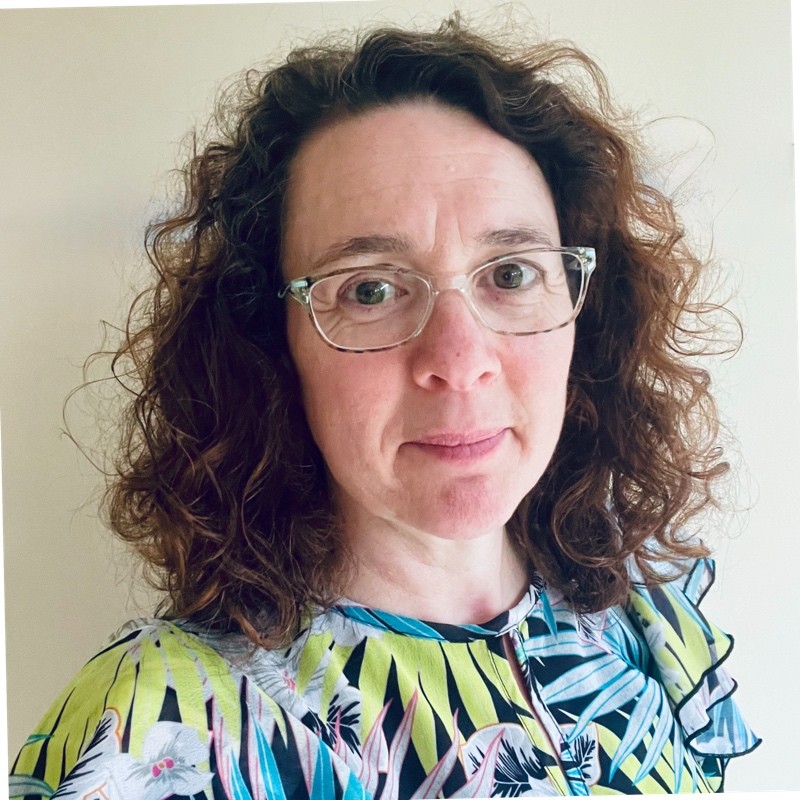
Founder of The Career Habit, offering leadership mentoring and training based on a framework for intentional career growth through small consistent actions that build habits and behaviour change.
Over 25 years of experience in Biostatistics within the Pharma, Biotech, and CRO sectors leading statistical teams and managing clinical projects.
Experienced in creating and facilitating professional development workshops, offering technical SMEs interactive opportunities to learn and improve leadership competencies.
Proficient in mentoring, building effective cross-functional teams, and developing collaborative client-sponsor relationships.
Leadership experience including individual statisticians, cross-functional teams, client portfolios and governance.
An active member of PSI, involved in professional development, developing operating guidelines and mentoring, and previously responsible for university outreach and holding the position of Membership Director.
An active volunteer involved in STEM activities with The Data Inspiration Group and Form the Future.
Transcript
00:00
You are listening to the Effective Statistician Podcast. The weekly podcast with Alexander Schacht and Benjamin Piske designed to help you reach your potential, great science and serve patients while having a great work-life balance.
00:22
In addition to our premium courses on the Effective Statistician Academy, we also have lots of free resources for you across all kind of different topics within that Academy. Head over to theeffectivestatistician.com and find the Academy and much more for you to become an effective statistician. I’m producing this podcast
00:51
in association with PSI, a community dedicated to leading and promoting user statistics within the healthcare industry as benefit of patients. Join PSI today to further develop your statistical capabilities with access to the ever-growing video-on-demand content library, pre-registration to all PSI webinars and more. Head over to the PSI website, tap PSI Web Blog.
01:18
to learn more about PSI activities and become a PSI member too quick.
01:31
Hello and welcome to the Effective Statistician podcast. I’m Alan Bedding and on this podcast, I explore topics that will help statisticians become more effective. Today I’m welcoming a guest, a very good friend of mine, Emma May, who’s joining me on this podcast today. I’ve known Emma for a number of years. We’re currently working together on series of workshops that will enable statisticians to become more effective leaders.
01:58
Currently what we do is we cover three topics, trust, communication and influence. And at the moment we have the pleasure of doing this for PSI. We’ve done two, we’ve got the third to come in a week’s time. And I know today we’re going to get into many of the topics which I’m hoping will spark interest for the listeners. I’m pretty sure they will. So welcome Emma. Thanks for having me. Start by telling us.
02:24
What about your journey as a statistician into the Farming Service country and what got you to where you are now? Well, I never intended to be a statistician. I fell into it completely by accident. I just happened to do the stats A level and just one thing led to another and here we are. But along the way, I realized that as well as numbers, being analytical and problem solving, I really, really love the people element of the business. I really enjoy.
02:54
helping people with their problems, mentoring people. I like being that kind of pastoral support and helping people on their journey to discover new stuff. And so I’m more and more, as time goes on, interested in helping people with their personal and professional development and building those skills that they need around the analytical and the technical stuff, which quite frankly, other people are much better placed to help people with than I am. But help people with the professional side of stuff is really where my heart is.
03:24
these days. Yeah. I think that’s what brought you and I together finally, because we first met many, many years ago when we were both young statisticians. But I think we were at the PISC-I conference in London and you and I reconnected on these types of topics. It’s one of my passions that the technical skills are there and everybody needs to have the technical skills or the statisticians need to have the technical skills.
03:49
But it’s not just the technical skills that are going to make them become a factor. It’s the other things that go along with it. A hundred percent. This is definitely something that brings us together, Alani. We’re on the same page here. I’m really aware that actually the industry is full of really brilliant minds, people who have developed incredible skills within statistics. But sometimes it’s at the expense of some of the communication, the subtler skills, that emotional intelligence.
04:19
And some of those, they’ve been called softer skills over the years, but they’re certainly not soft. They’re very difficult to learn. take practice and those things don’t always run alongside our technical development. And I know I’m talking to the choir here, Aled, because we’re both on the same page. The audience out there are the ones that are going to be taking this. I don’t know what you mean about soft skills. Simon Sinek has referred to them as human skills. And I actually prefer that because it’s a lot about being a human with these types of
04:49
Yeah, true, true. I often call them professional skills, but you’re right. They’re much more than just in the workplace. They are life skills. And I like that. You mentioned emotional intelligence there. What do you mean by emotional? I could talk to the whole podcast on this. This is one of the things I think is so important. Before I describe what emotional intelligence is, there’s a lot of research out there saying how important emotional intelligence is compared to your IQ.
05:17
So your EQ, your emotional intelligence helps you grow in your career, be successful in your career in ways that your IQ doesn’t match up. So yeah, look at the research. There’s a lot of evidence to say it’s worth investing your time. Can you go a bit more into that detail? Cause that sounds really interesting. Oh yes. Yeah. The data that out there and I wish I could remember some of the numbers off the top of my head. We’ll tell you that actually the people that are most successful, most happy in their career.
05:47
are the people with really well-developed emotional intelligence. The data’s out there. Like you say, there’s emotional intelligence is more important than IQ. Yeah, there’s some research out there that says 67 % of leaders’ effectiveness is based on their emotional intelligence. So that’s like three quarters of your leadership skills are based on how emotionally aware you are of yourself and the people in your team. Yeah, and there’s other data to say
06:17
you’re 127 % more effective as a generally as an employee if you’ve got high EQ versus low EQ. So they’re like big numbers we’re talking about. Yeah, that’s really interesting information. And one that most leaders probably should, I mean, not probably, should own their own. 100%, 100%. And I wonder for the benefit of the listener though, whether it’s worth taking a moment just to make sure.
06:45
people understand what emotional intelligence is because it’s yeah so emotional intelligence is on two levels one it’s about yourself and the other it’s about the people that you work with or you live with because it’s outside of work as well so emotional intelligence when it comes to yourself it’s being aware of your emotions so we all have a very quick uh gut reaction or emotional reaction to situations generally it’s either mad, sad
07:14
glad or scared, generally your feelings fall into one of those four big buckets and if we can recognise what that emotion is, if we can label it then we can do something about it and sometimes with emotions we want to use that emotion and sometimes we want to manage that emotion and we need to know what it is so then we can understand it and either use it or manage it. For example anger, feeling anger itself isn’t a bad thing
07:43
But displaying anger in the workplace wouldn’t be a very good move. So managing your anger, knowing where it’s come from, what’s driving you, reflecting on that and growing as a person is all really important. And then the other element is also then understanding the emotions of the people you’re working with. So actually when you’re having, perhaps you’re having a confrontation with someone or some kind of dialogue.
08:08
And it’s getting heated with the disagreement. So what’s the emotional situation of the two of you in that situation? Because actually you’re bringing emotional baggage from other situations into that. Being aware of that means that you can actually respond in a different way than if you were talking to someone who has the same kind of emotional response as you. So yeah, emotional intelligence when it comes to other people is being aware of that, emotions that might be in the room. And then…
08:37
Handling the social situation appropriately based on what you’re seeing and understanding is going on around you, which is much harder than your own emotions. That’s a much harder thing to deal with. It’s interesting. It reminds me a lot of the chimp paradox. This is obviously that PSI did this, part of one of their book clips. There’s a lot of things that he talks about in there. And what we’re talking about here is when your chimp brain kicks in as opposed to human brain.
09:03
And sometimes that can be really important to do. Your chimp sometimes has the right response, but sometimes it doesn’t and it may be unhelpful. And it’s not about taking that away or getting rid of it. It’s about managing that. And also you can’t manage other people’s chimp, but you can at least work with them and know when they’re in chimp mode, suppose. Yeah, that chimp is your emotional, that gut response, isn’t that a quick response rather than your rational brain, a different part of your brain.
09:31
that kicks in when you really had time to think about it. Do you mind if I give you an example that’s nothing to do with our industry? A long time ago, I had a different job. I had what I call my sabbatical from statistics. I used to work for the National Childbirth Trust and I used to teach antenatal classes. And a really useful example of this is that whole fight or flight response that women have when they go into labor and you pull up outside the hospital.
09:59
and the adrenaline kicks in, just like it did back in the day when a saber-toothed tiger would come around the corner and you would truly be in danger and your fight or flight response kicked in because it was a life or death situation. Often women would have the same response as they pull up the driveway of a hospital when they’re about to have a baby because the adrenaline and the reaction to that perceived threat…
10:25
of what’s about to happen when they walk in this hospital, the enormity of the situation is the chimp part of the brain. It’s the emotional part of the brain. It’s not really a dangerous situation. mean, childbirth doesn’t always go straight forward, but you’re not actually endangered the way we were when the saber-toothed tiger would chase us down the road. But we can’t rely on our emotions because they’re unreliable like that. We have to wait for a rational brain.
10:50
to kick in or somebody to help our rational brain kick in, maybe if we’re the partner in that kind of situation when you’re having a baby, go, it’s okay, this is going to be okay, deep breaths. That exercise in the chin, to me, I can see a similarity there with whenever I get to do a presentation, and I love presenting in front of an audience, don’t get me wrong, it’s one of the things I really enjoy, but I can guarantee 30 minutes before I’m due to step on that stage, there’s a pal me going, what the hell are you doing?
11:19
You should not be here. You’re going to look a complete fool. And all of these noises are in the back of my head. And I have to rationalize it and say, no, no, I know my staff are going to stand up there. Nobody’s going to kill me for standing up there. I think that’s a really interesting example of that kind of the fear you get, that anxiety, because when it comes to public speaking for me, it’s a mixture of nerves and excitement. There’s a little Venn diagram where the nerves.
11:46
and the excitement overlap. And I don’t know what you call that emotion that’s in the middle, but it’s full of adrenaline. And I think in those kinds of situations, it’s a driving force to perform well. I don’t think you get into a high performance situation if you’re very laid back about something, but that Venn diagram of the nerve and the excitement has to be well balanced. So it is a driving force rather than a debilitating force. Yeah. So that’s emotional intelligence.
12:15
What other things are important for status that they want to become effective leaders? Do you know what Alan, in the first session that we ran together of the effective leadership course, we started with the contract volcano and we set that up. You did a wonderful job. I love the way you started the course because it’s set up such a safe environment for all the participants.
12:43
to really be open and honest and vulnerable. And everything that went from that point was because of the work you did in the very first 20 minutes. yeah, share your wisdom about what you did in that beginning because it was like magic. This comes from a lot from my background, my coaching that I do. One of the things we can never do is tell people this is a safe space.
13:09
We’ve got to get them to tell us what’s a safe space for them. And we then also have to say what’s a safe space for us. so that, but whenever I do a team coaching engagement, I use this contracting volcano with the team to say, okay, what are the things that we need to say that are going to stop the volcano erupting? So what do we need to contract for here that we all agree to that’s going to stop the volcano erupting?
13:36
There’s always going to be the usual ones like confidentiality, but occasionally there’ll be some odd ones that somebody might say, something like, well, actually, I don’t want to be in a breakout room. That could be one that comes up. Some people don’t like being in breakout rooms, but we can’t tell them that, oh no, the breakout rooms are safe. If they don’t feel safe in that breakout room, they have the right to say that I don’t feel safe in here. So to me, it’s really important when we do…
14:04
any such workshop that we set it up in the right way. And I know one of the participants also made that comment that they felt that they could speak their mind because we’ve done that contracting upfront. to me, that’s just such an important piece. And it’s probably an important piece for every conversation really. know, what’s going to make this conversation for somebody might be different to what’s going to make safe for another person. So it’s often quite important to make sure you know what’s going to make
14:34
because it’s psychologically safe for somebody. And you don’t know until you ask that person. Yeah, such wisdom there, Alan, actually. And I’m thinking actually that often people might think that they come into a meeting, there’s a particular agenda, you maybe have a one-to-one between a manager and a direct report, and you think, oh, there’s certain things we’ve got to talk about today. And some of them may be difficult things to talk about. And if you just stop at the beginning and think about
15:03
some of those things that create safety, then it pays dividends when you get onto those harder topics. People can be open and people can clarify questions because they feel safe to ask when they don’t understand. It’s not just when you’re facilitating a workshop like ours. think setting up a safe environment, as you say, is valuable in all sorts of situations. Our trainings for effective leaders and this, I hope we teach them by example.
15:32
We did this and this is the sort of thing that people need to take away and apply in lots of other places. Not an added extra. It’s an essential starting point, isn’t it? It’s an essential starting point. It’s also important that at the start of each session, we’re still happy with the same contracts in Volcano. For the second session, put that up and said, still happy with this. It’s also important if somebody joins the course halfway through. So they may not come to the first session, they come to second session.
16:01
It’s important that they agree to what’s on there. And that the people that have already participated agree to them coming in. It sounds a bit strange, but if they don’t feel comfortable by somebody new coming in, they need to make that known. Otherwise they’re not going to feel comfortable with the rest of the work. You make a good point there about groups changing over time. Our course is pretty static over the sessions, but in the past I’ve run virtual team building exercises that run month after month after month.
16:31
for two or three years when I had teams that worked across Europe, we were never going to meet face to face. But of course, over those years, some people leave the team, some people join the team. And each time there’s a change, the dynamics of those meetings change because the trust and the vulnerability that’s been built up needs to start again with these new people, who are they? And the new people need to get to know the people in the group as well. yeah.
16:57
understanding what the rules are for a group as people join and leave is really important. Yeah. And that’s something I encounter in team coaching all the time. In fact, yesterday, was, yesterday, a couple of days ago, I was doing a team coaching assignment with the C-suite that I’m working with. As three new people turned up that weren’t there at the previous engagement we’ve had, we had to go through that whole piece of, okay, this is our agreed contract.
17:25
What do you want to add to this? And are we okay for these people to come in? Luckily, the other people around them knew them. They weren’t new to the organization, but they were new to this particular meeting. It really is important to get that up and running and at the forefront of everybody. And if anybody breaks that contract, people have to be brave and call them out and say, this is a contract we’ve agreed. You’re actually going against that contract. So to me, I think it’s really important to do that. It’s probably just as important as.
17:55
all of the stuff that goes out. It’s interesting you pick up on brave there, Alan, because obviously that’s one of the nine habits of trust and some that we’ve talked about a lot in the courses as well. But being brave can be really challenging to be brave, to call something out, to stand alone, perhaps from a group of people, if the stomach’s not quite right, doing the right thing, even if nobody else is doing that. There’s a lot to think about there, isn’t there?
18:23
There is, and I always say I’m not perfect on the habits, even though I teach them and even John who invented them is going to say he’s never perfect on. And bravery is one of those which I know in the talks that I’ve failed at because I haven’t been brave to speak up when I know I should have spoken up. But it is hard and if you’re speaking up to your line manager, there’s a risk there. There’s a real risk that they’re going to hold that against you.
18:53
But then you have to dig deep inside you and think, if I didn’t speak up, how would I feel? Comes back to your emotional intelligence. You also may be going to ask how’s the chimp going to feel if you don’t speak out. The chimp might be going completely bonkers that, yeah, you should have spoken up. So there’s a link there. I’ve just got that link myself in my head. There’s a link there from being brave to that emotional intelligence. And that’s what I’m seeing, especially on the course that we’re running together. I love bouncing ideas off each other in the course and all the participants as well.
19:22
that there is so much overlap between the different skills that you learn and the different applications. Yeah. There’s new, you, we don’t seem to be learning any skills that only get used once. They’re all over the place. Yeah. There’s a lot of overlap. even get loads of overlap. I’ve got to say a shout out to those people who are on our workshop. If they’re listening to this shout out to you people because it’s been great so far and we’ve got the third coming up, like I said, and I’m so much looking forward to it. Yeah.
19:51
Do you know what think one of the great things about this particular course is I’ve really enjoyed the participants have brought their real life experiences to the course and we’ve been able to look at those and discuss those because we could put together the best slide deck possible and Alan your work is brilliant I’m not gonna this is not derogatory towards you but we could put the best slide deck together and still people may not walk away from that course.
20:20
being any more effective than when they started. But when people bring their real examples, we can really dig into what’s happening and they can take away new ideas and techniques and use them and practice them and build new habits that turn into a new way of, in this case, leading teams and leading people. That’s where the change atom happens. And I’m really passionate, and I know you are too, about actually, it’s forming new habits.
20:49
It’s changing behaviors. It’s not just going to a workshop and having a nice time. We’re having fun. Yes. I completely agree with you. It’s not about turn up, go away and then not embed some of these habits because they only become habitual. People start using them, trying them, failing. We all make mistakes, still make mistakes. Like I said, nobody’s perfect. We make mistakes. So it’s all about.
21:17
trying to embed these into their everyday life. I could reel off the habits now easily, but I don’t need to remember in my head because I know instinctively what they are. It does help if you teach it all the time, but there is that element. yeah, it’s, I know you and I, when we first started thinking about this, we talked about the examples to use and it’s so important that they use their examples, but not only that, they hear our stories as well. So.
21:46
we tell the story as well as them bringing their own examples. I think by bringing their own examples, they’re sharing that knowledge and learning and they’re learning from each other. Yeah, I think you’re right. The storytelling part of it is so important. And I was really inspired. Well, on different levels, we’ve talked about on the course being vulnerable and open and honest. And you told the story of how you first got into coaching.
22:13
But making yourself very vulnerable and be very honest and quite frankly, I’m not dissimilar to this story you told about how in the beginning you weren’t really in that coaching mindset. It was all about listening to just respond and to get your point across and changing your mindset where you’re really listening to people to find out what they’ve got to say, to be interested in them, to see beyond the words and see what the body language is about.
22:42
more the unspoken things. I think that’s such an inspiring story because most of us are listening to tell our side of a conversation. And it really makes us stop and think, think actually this kind of active listening, this engaging with people, this coaching style, pulling information from people rather than pushing information onto them, it’s such a useful skill.
23:09
But it certainly takes practice because it’s not how we work by default. We’re very self-centered about sharing what we want to say, not listening to other people, not really listening. You’re absolutely right. Whenever there’s a great video that Michael Bungay Stania has put out there about the advice monster. And we all have that advice monster. And advice isn’t bad. I’m not going say, and he says exactly the same, advice isn’t bad. If it’s answering the right question.
23:36
But most of the time we’re just ready to say something. And when I into that course, I thought I knew what to do. I know what to do. I’ll do that for you. This is what you need to do. what you need to do. And really that’s disempowering. Taking away the empowerment from somebody was the one brilliant thing with coaching is it empowers somebody. It empowers somebody to find their own solution. Everybody has it in them to be creative resourceful.
24:04
And what we say in coaches, everybody is creative, resourceful and whole. And we’re human beings. We all have that ability to solve our own problems. We have it in us. It’s just that we need a space sometimes to draw it out. We’re maybe too busy to do, do, do, do, do, do, keep doing, doing, And we need to have that space that helps us bring the answers out. And isn’t that a good lesson for people who are growing into a leadership role? Because…
24:32
I think the default is to help the people, the team we’re managing and the people we’re working with. And so to be helpful, think, Oh, I’ll do that for you. But actually that’s not helping someone is it? Helping somebody else to really learn a new skill, develop, take on a responsibility, be confident enough to try something new. That’s really helping them. And so that is this whole coaching idea. And for a manager able to delegate and say, okay, you can do this and not
25:03
take that responsibility. You’d be totally overworked, wouldn’t you? You manage four or five people and you try and help them all by doing tasks for them to make their lives easier. No, it’s not going to work. The other thing to remember as well is as people are listening to this, they’ll think, well, isn’t just coaching? That’s fine. You just get them to get the solution. It’s a bit more challenging than that. I’m not saying you don’t just sit there and listen to them and then ask them a powerful question to move them forward. Coaching is about a partnership.
25:32
So it could be that when you start working with a diary report and they come up with an issue and you go, okay, how would you want to work together on this? Use that word, how are we going to work together on this? We solve this problem together. It’s not about you solving the problem and I just sit here waiting for you to solve the problem. It’s about that partnership and bringing that partnership together. Asking the questions that open up that conversation, they get to the next level of
26:00
peeling off the onion. The question that you heard in the first place is not the real question. You have to dig in until you get to the real heart of the problem. And that’s about building up that trust, isn’t it? That vulnerability. Because I know when we’ve spoken, you’ve been my mentor before and coach, that first question you asked me, I’m not ready to tell you the whole story yet. And it takes you, we peel the back, those layers and we get to the real problem behind things. And then the magic happens. Yeah.
26:28
And sometimes leaders are a little bit reluctant to say what they’re thinking. So what might be going on in their head? And I think, isn’t the real story. I’m sure there’s something else going on behind this. But instead of saying to what’s behind all this or what’s the real challenge in this for you or something along those lines to dig things deeper. Like, Hey, that’s really interesting. Can you just tell me a bit more about that? Actually, that’s the wrong thing to do. If you’re sensing something inside of you, this is where maybe where the chimp is right.
26:57
The chimp is saying to you, there’s something here that they should be going a bit deeper. Just ask that question. What is the real problem in here for you? I’m sensing this is not the real problem. What is the real problem? And by doing that, you’ve been challenging. And this is where coaching is different to just sit and have a coded chat. Coaching is challenging. So you as a coach have got, as a leader, as a coach, have got to ask those challenging questions of the people that work for you. It’s not about catching them out.
27:27
or showing that you’re better. It’s about making sure that they have thought about the stuff they’re dealing with and they’re looking for the right solution for them. So I think we’ve gone full circle because in my mind, this takes us back now to trust because somebody’s only going to open up to their manager and be vulnerable about where they are if they feel safe.
27:53
I’m not going to tell you if you’re my manager and I don’t trust you and I don’t think you’ve got my best interests at heart when you ask me these questions I’m not going to feel safe to be vulnerable with you and I’m going to keep them to myself and none of us going to make progress So you’re creating that trust going back to the volcano contract The trust is behind all of this isn’t it? You can’t build without trust And it’s why I’ve done a number of presentations on trust being the backbone of leadership
28:22
Because I completely agree with you. If you haven’t got that trust in the first place, it doesn’t matter what you do after, that’s not going to happen. And you’re not going to be able to influence, you’re not going to have any impact because the trust level needs to be there in the first place. We could talk about the trust wall. We could talk about all the different things that go into building that up and how it gets knocked down. There’s a whole load of discussion around there, isn’t there? I recorded for OnTrust. So the little, the previous episode that people, they want to know.
28:51
More about the nine habits of trust I have according to that. I would highly recommend that to people. There’s a lot to think about with trust. So we’ve touched on a number of topics here. I just have in the back of my mind, the world growth mindset, something in here. And I’m thinking to myself, people who are listening to this, they’ve probably got a growth mindset. But what I’d be interested to know is, can we use what we’re doing to help people?
29:19
develop that growth mindset. Wouldn’t that be wonderful? A wonderful little story is useful in a situation like this. I remember when my very first SAP that I wrote, my very first SAP when I was a brand new graduate, I wrote a statistical analysis plan and I worked really hard on it. I thought it was great. And then I got it back from my first manager and it was
29:44
absolutely covered in red pen, real red pen in those days on a piece of paper. And honestly, I was absolutely mortified. I felt like my career was over at that moment because I thought I had failed beyond anything that I could get over because in my mind, I thought I should have known it all. And I had this fixed mindset that I had finished my degree. I was trained as a statistician. I should be able to do this.
30:13
I had no idea that there was this idea of growing from the problems you face and learning things from the challenges you’re facing and very emotionally immature outlook. But yeah, I am such a big believer now in evangelizing about the growth mindset. Failure is not problem in itself.
30:39
It’s your first attempt at learning something. And I know you love that little equinox, Alan, but just learning from the things we do and moving on and being open to learning from other people’s wisdom and input, not being afraid that other people may have comments or constructive criticisms or whatever people call them. Actually, they’re not an attack on you personally. They’re a help in your career development. That’s an enormous.
31:08
change in a lot of our mindsets to actually have that openness to take on board what sounds like a criticism. Yeah. And I always use the analogy of when you’re a baby learning to walk, you’ve got children, I’ve got children, and they don’t learn to walk space way. So a baby’s got a growth mindset, they have to have a growth mindset. It’s only when we get to a certain age that we have this fixed mindset that we’re perfect. We need to be able to do this perfectly. But a baby learns to walk.
31:38
By walking, falling over, walking, falling over, walking, falling over, and eventually they walk. Nobody criticizes them for, oh, you shouldn’t be falling over. Or don’t be just that. So to me, that’s an analogy for we should always have this growth mindset throughout our lives. I remember years ago, before I thought, well, how does growth mindset concept? I used to go into something and say, well, I’m not going to learn anything from that. Of course not with that mindset.
32:05
And I reframe that now to be, what can I learn from this? So it’s almost like, well, I’m just going to go in there with an open mind. What am I going to learn from? What can I learn from this? There’s something, some nugget there that I’m going to take away from any conversation I have. This makes me think of the vulnerability and the openness again of the habits of trust. Because actually, if you don’t know something, if you’re in the falling over stage of that cycle of learning to walk, you have to say…
32:33
I don’t know how to walk. I don’t know how to do this stats problem, or I don’t know how to write this document, or I don’t understand this procedure. And actually saying that out loud um and admitting that is a really big step. It can take a lot of bravery and maybe you have to pick the person you say that to. Somebody you trust, somebody you know will help you. Yeah, there’s no way you can grow unless you ask for help. You could spend a long time trying to Google answers to stuff, couldn’t you?
33:03
It wouldn’t be the most effective way of learning or you can talk to people and you could get advice and be brave like that. That’s been first of all being humble and admitting, I don’t know everything. We might be called experts in certain areas. I don’t know the word expert because you’re never an expert in a particular area. But if there’s something you don’t know, to me, you don’t know. Can you teach me? Even better. That’s even better. So if somebody comes to you and they’ve got a problem themselves.
33:30
Well, can you teach me where you are and maybe we can then go and talk to another person and we can learn together. Yeah. How powerful is that? And I think one of the things that helped me get over that hurdle of saying, don’t know how to do something, was just having kind of a stock phrase ready to use. So instead of panicking when somebody said, can I do something and I didn’t know how to do it, I could say, let’s learn how to do that together. I don’t have that answer right now. I’m really excited to learn together or to go and find that information out for you.
33:59
So I think that really helped me to get over that hurdle and it may help people who are listening now thinking, there’s no way I want to say in a meeting, I don’t know what’s going on. But maybe you can come up with a stock phrase that just delays the fear of getting over that. Yeah, no, it’s been interesting because again, it’s that being brave and being humble can be quite scary. And being open and being honest with certain things that, I know I’ve done that a number of times with my previous team when I was leading my team.
34:26
my methods team because they were so much cleverer than I was. It was easy to go, well, I don’t know, you help me with it. I don’t know what I had solve that. That’s the sign of a great leader, Alan. I wish that had worked for you like that when you were like in the day. Yeah. They still think I’m a great leader. They were a great team. They were a wonderful team. Loved them to bits. We’re moving into our last 10 minutes together here. I’d really like to get your thoughts on what
34:50
tips you can give leaders or maybe new leaders, somebody’s coming into a leadership position or maybe somebody’s starting, even starting new in the industry and they go, Emma, what’s the best thing I can do? And your advice there is a quite easy question to ask. If there was only one piece of advice, if you were only looking for the top line, the one thing I would say, keep asking questions, being curious. Because as a leader, like you just said a minute ago,
35:17
You don’t know everything. You’re surrounded by people who are experts in various different things. But you also don’t know the people that you’re leading. You’re put into the position of being a line manager for the first time. You may have a relationship as peer to peer, but that won’t be the same as being a line manager. But if we’ve asked questions, be interested in people, active listening, get to know people as much as people want to open up to you, be a person that people would come to and talk to.
35:47
then it can only be better from that point on because you understand who it is you’re working with, what kind of help they need, where they need help and where they just need someone to listen to what they’re going through. It increases your awareness of those people around you, builds your relationships, builds your trust. So yes, I think you like to use the phrase, don’t you? Two ears and one mouth. It’s something I have had to remind myself of over the years. If we can listen to people, understand the people around us and speak less.
36:17
And a piece of just a golden nugget is to sometimes sit in silence. As the leader in the room, with either with a team or with one-to-one, ask a question or just leave some space. Because I know I’m a fiery red extrovert who can think on the spot and think fast, but not everyone’s like that. And I could easily fill the space. But if I deliberately leave some quiet in a conversation.
36:46
and wait for the other person just to process what they’re thinking. Sometimes they just come back with the most insightful and useful pieces of information that just move the conversation forward in a way that couldn’t without that space. So don’t be uncomfortable with silence. I love that. You’re absolutely right. We like to fill the silence and sometimes we just have to allow that silence set to help us.
37:13
That silence can be challenging. It can be a challenging question, actually. That’s the silence that goes there. But it’s really important. And there’s a cultural element to this as well, because if somebody you’re talking to is English, is they’re not their first language? They might be processing the English in their head, then processing the answer in their head, in their language, then processing it back to English. So giving them that time to answer is really, really important.
37:41
So yeah, silence, the phrase silence is gold and it absolutely is golden. It’s such a gift to have that silence. Yeah, yeah. 100 % agree. Fabulous. Well, I’ve really enjoyed this conversation. We could have gone on for hours. Maybe the statistician should have an hour long because I think there’s so many…
38:02
great topics in there. Thank you so much. I’ve really enjoyed talking to you Alan. We’ve so much ground, haven’t we? We talked about so many different things. Yeah, it’s been great. Absolutely. And if the leaders want to know about the courses that Emma and I are running, then please drop us an email. And if you’ve got any comments on the Effective Statistician podcast, again, drop us an email or drop a message in the show notes, comment on the LinkedIn post.
38:28
If there’s somebody you want to hear on the podcast or a topic you want to hear about, then again, please let us know. But thank you very much listeners for listening. And thank you once again. Thank you very much Emma. Thank you.
38:44
This show was created in association with PSI. Thanks to Reine and her team, VVS, who with the show in the background and thank you for listening. Reach your potential, lead great songs and serve patients. Just be an effective statistician.
Join The Effective Statistician LinkedIn group
This group was set up to help each other to become more effective statisticians. We’ll run challenges in this group, e.g. around writing abstracts for conferences or other projects. I’ll also post into this group further content.
I want to help the community of statisticians, data scientists, programmers and other quantitative scientists to be more influential, innovative, and effective. I believe that as a community we can help our research, our regulatory and payer systems, and ultimately physicians and patients take better decisions based on better evidence.
I work to achieve a future in which everyone can access the right evidence in the right format at the right time to make sound decisions.
When my kids are sick, I want to have good evidence to discuss with the physician about the different therapy choices.
When my mother is sick, I want her to understand the evidence and being able to understand it.
When I get sick, I want to find evidence that I can trust and that helps me to have meaningful discussions with my healthcare professionals.
I want to live in a world, where the media reports correctly about medical evidence and in which society distinguishes between fake evidence and real evidence.
Let’s work together to achieve this.

