
What helps us build a fulfilling career in statistics beyond technical expertise?
In this episode, I speak with Godwin Yung, who leads the Statistical Methodology group at Roche–Genentech, about lessons from his first decade in the pharmaceutical industry. We explore three themes from his career reflections: finding purpose, listening to understand, and learning from mentors.
Godwin shares the personal stories behind these lessons, from persevering through a difficult publication journey to discovering leadership strengths he once took for granted. Together, we discuss how we can contribute more effectively at work while making room for the people who matter most.
Why you should listen
Listen to this episode to:
- Choose work that matters. Focus your time on problems worth solving rather than trying to pursue every interesting idea.
- Strengthen your influence through listening. Understand your colleagues’ needs before offering solutions.
- Build a clearer professional reputation. Recognise what others know you for and shape how you contribute.
- Discover strengths you may overlook. Learn how mentors can identify qualities that feel ordinary to you.
- Grow without losing sight of life outside work. Reflect on how family, relationships, and purpose shape a sustainable career.
Episode highlights with timestamps
- 02:00 — Reflecting on a decade in pharma
I ask Godwin about his journey from Takeda to Roche–Genentech and the reflections that inspired his LinkedIn post. - 06:20 — Finding purpose in problems worth solving
We explore how a meaningful research question helped Godwin focus his efforts and persevere through a challenging publication process. - 13:30 — Balancing professional ambition with family life
Godwin shares the personal challenges behind his work, and I reflect on why our careers cannot capture everything that matters in our lives. - 18:44 — Listening to understand before offering solutions
We discuss how bringing different perspectives together helped Godwin build connections around probability of success in drug development. - 25:24 — Building your brand and asking better questions
I explain how others’ perceptions shape your professional reputation. We also explore why greater seniority makes humility and listening even more valuable. - 31:35 — Finding mentors who recognize your potential
Godwin shares how mentors helped him recognize his strengths and find the confidence to step into leadership. I discuss the value of a varied network, including peer and reverse mentoring.
Links and Resources:
🔗 Learn more about PSI and become a member
🔗 The Effective Statistician Academy – I offer free and premium resources to help you become a more effective statistician.
🔗 My New Book: How to Be an Effective Statistician – Volume 1 – It’s packed with insights to help statisticians, data scientists, and quantitative professionals excel as leaders, collaborators, and change-makers in healthcare and medicine.
Join the Conversation:
Did you find this episode helpful? Share it with your colleagues and let me know your thoughts! Connect with me on LinkedIn and be part of the discussion.
Subscribe & Stay Updated:
Never miss an episode! Subscribe to The Effective Statistician on your favorite podcast platform and continue growing your influence as a statistician.


Never miss an episode!
Join thousends of your peers and subscribe to get our latest updates by email!
Get the


Learn on demand
Click on the button to see our Teachble Inc. cources.
Featured courses
Click on the button to see our Teachble Inc. cources.
Godwin Yung
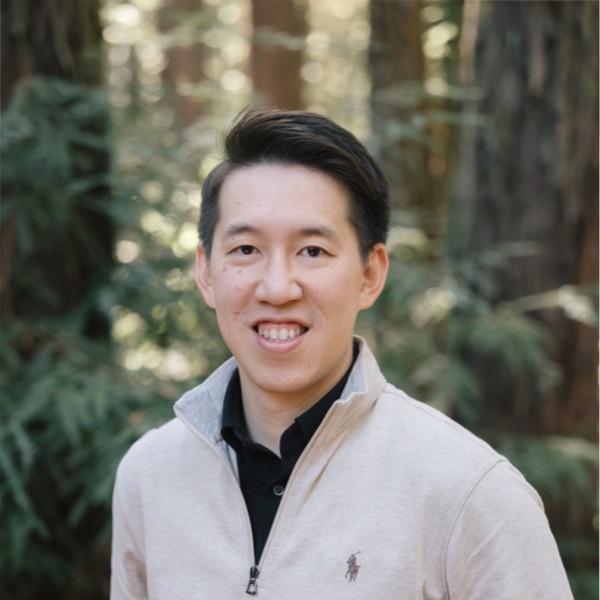
Statistical Methodology Lead at Roche-Genentech
With a decade in the pharmaceutical industry, Godwin brings expertise in statistical methodology (including innovative trial designs, estimands, probability of success, and survival analysis) and specializes in translating that expertise into practical solutions. His collaborative approach empowers clinical study teams and thought leaders to make robust, data-driven decisions. A regular speaker at global conferences as well as an active community member, Godwin is passionate about advancing the field and the responsible application of statistics.
Transcript
00:00
You are listening to the Effective Statistician Podcast, the weekly podcast with Alexander Schacht and Benjamin Piske designed to help you reach your potential, great science and serve patients while having a great work-life balance.
00:22
In to our premium courses on the Effective Statistician Academy, we also have lots of free resources for you across all kind of different topics within that Academy. Head over to theeffectivestatistician.com and find the Academy and much more for you to become an effective statistician.
00:49
I’m producing this podcast in association with PSI, a community dedicated to leading and promoting user statistics within the healthcare industry for the benefit of patients. Join PSI today to further develop your statistical capabilities with access to the ever-growing video-on-demand content library, free registration to all PSI webinars, and much, more.
01:13
over to the PSI website at PSIweb.org to learn more about PSI activities and become a PSI member today.
01:30
Welcome to another episode of the Effective Statistician. Today, I’m really happy to have Godwin Yung with me. He recently wrote a very, very, newest post on LinkedIn. By the way, if you’re not on LinkedIn, you’re really missing out because there’s a lot of great content and he had various thoughts that are really insightful and will not go into all of them, but will pick a couple of them to go a little bit deeper into these.
02:00
today. So Godwin, will I come to the podcast? Maybe you could start with an introduction of yourself. Yes, sure. Thank you, Alexander. It’s a pleasure to be on your podcast and thank you for the invitation. My name is again, Godwin Yung. I am currently the Statistical Methodology Dean. So I lead the Statistical Methodology Group at Roche Genentech. I’ve been in the pharma industry for about, I just celebrated my 10th year anniversary.
02:30
The first four years were at Takeda in Boston, Massachusetts, and again, some sort of methods group. Half of my role was methodological statistician, providing research, consultation. And another half was as a clinical trial statistician. I rotated for a bit of time in access group and then served as a study statistician on early and late phase trials. And then for the last six years, I moved from the East coast to the West coast with my family.
02:59
I joined Roast Genentech in its methods group, became a full-time methodological statistician. Still spent part of my time rotating on clinical trials to build that experience, but for the most part, focused on methods work. And that relates to a post you mentioned. I celebrated my 10th year anniversary, so I had some reflections. So I got it triggered some reactions, some reads, but yeah, happy to share more about that today. Yeah.
03:28
And congratulations to your positions. It’s quite a impactful group across all of Pharma. And I know people like Nelson Kinnosley and Betty and Jenny Devenport who have been in that positions before and they are all very influential. So happy to have you in this group position now and wrote from there. Now let’s look into learnings.
03:55
or lessons or insights you had from your last 10 years and will not go into all points, but let’s start with your top one. What was a really important insights that you would like to share with the audience? some context, this was a, maybe a post I had in mind for actually a couple of years. Maybe I can’t remember exactly when you’re six or seven. I felt self I’m starting to learn something in my career.
04:24
I see some patterns or some trends and then thought about is something maybe worth sharing. But of course, being at Roche, you have colleagues who have been here 20, 25 years. So you wonder, do I really have something to say compared to my more experienced and great colleagues? So I put it off. I decided to gather a little bit more experience, a little bit more thoughts. And as a statistician, we all like numbers. So I thought 10th year would be the year. It would be a nice ring to it.
04:53
So that’s a little bit the context behind the 10 years. This is a fun exercise for me. If anyone hasn’t done it before, I encourage you to, really thought about 10 years, 10 things I’ve learned, but I tried to reflect on my journey, thinking back from year one, what did I learn my year one? What did I learn my second year and et cetera. And some of them were cheating. I knew what I learned overall and I would map it back to a story. And then some of them were more, there was a
05:23
very impactful story around that time period that I could easily remember. Definitely year three I learned this year five I learned that. So it was a very fun exercise for me and just to appreciate the people that helped bring me here. Appreciate the fun events that made me who I am, but also the more difficult events that I couldn’t appreciate as much then that now looking back, it was really formative and constructive. And you don’t need to wait for 10 years.
05:50
I think it’s quite helpful to do that on a regular basis. I set goals every year for myself, besides also having company goals and these kinds of things, but really kind of personal goals. And when at the end of the year, I reflect on these, that helps also to recognize what did I learn? What has changed? How have I changed and developed as a person? And that’s really interesting.
06:20
That’s a fantastic point. think those are great skills to practice that make you an effective statistician. Totally agree. Yeah. Okay. Let’s start with your number one. Maybe the one that I’ll go into is the one that I learned in my fourth year. And it was about finding purpose, working on problems that are generally worth solving. The fact that your time is limited. So you’ll need that core purpose to push you through when the going gets tough.
06:49
And this is maybe my favorite one, because of course, all of them have stories behind it, but this one was the most meaningful to me. The background was that a couple of years before this around year two, I had identified a gap in literature. I long story short, this is around the topic of non-proportional hazards. At the time, lot of companies, academics were thinking about with the rise of immunotherapy, clinical trials, how do we.
07:19
size, how do we analyze and design studies? And so papers came out where if you have this sort of non-proportional hazards, you calculate our sample size like this. If you have that non-proportional hazards, you calculate it differently. And I felt as I was studying survival analysis that 20, 30 years ago, there were equations or thoughts where you could have a very general formula for any kind of non-proportional.
07:48
proportional hazards, and I just felt like that understanding was maybe forgotten or missed. And so I just wanted to rewrite a paper to clarify that theory applied to the current state of affairs, like the log rank test. can you calculate its power and sample size under any non-proportional hazards? But that was kind of the gap. And so at a high level, at a technical level, that was my purpose, like trying to fill in naturally, like any PhD thesis, filling the gap or poking a hole.
08:17
And the field of statistics. And this was interesting for me to start working on because I know about you Alex, but when I first started my career, I wanted to become known. wanted to be productive. So anything that I would touch, was like, Oh, let’s write a paper about that. Oh, let’s write a paper about that. That was my mindset. You just wanted to carry everything to perfection. And at least for me, I’m not as productive. So I ended up not.
08:45
doing almost anything because I’m trying to do too many things. And the fact is some things are worth writing about. Maybe something’s interesting for a consultation, maybe interesting for a day thought exercise, but it’s not so interesting that more people need to know about. So by year two or three, realizing that my time is limited, I found this problem that I really believed it. I really believed there was a gap. And so.
09:15
That was part of just finding that purpose. And why does that become important or why is that important to me? Later on, it wasn’t about publishing for publishing sake anymore. It was really filling this gap. And publishing is a long journey. think you agree. Well, unless you’re one of those star professors that write a paper on a weekly basis. For me, it’s more on a two to four year span for a paper that I’m really driving.
09:45
Is that GRR experience too, Alex? If you think about a methodological paper, yes, that is usually takes a lot of time. Also, the more you collaborate with others, it usually gets to a higher quality, but it also slows things down. And then when you get into the publication period and you submit it to journals, then you wait for getting a response. Then you get a rejection. get the next.
10:14
journal, she changed things, submitted again, still get a rejection and so on. And so these things can take quite a while. So it’s at one time I had several kind of papers in the go, but I made the same mistake. Yeah. I tried to solve problems that are maybe sort of interesting for me, that not that I’m really widely relevant.
10:43
So it’s much more better to go for something that is widely relevant and nail that, then to work on something that is too niche. I think for kind of, if you just have ideas or think about that could be solved that way, you don’t need a paper anymore. You could have a LinkedIn article or write a blog post about it or things like that. Yeah.
11:11
and still get your knowledge out there and help the community. Because in the end, publication is about helping the community. It’s not about being more visible. It’s interesting you mentioned about blogs. That’s not something that I really, other than posting on LinkedIn, I know some statisticians regularly post. They have their own blog site, but yeah, I think that’s a great idea in terms of.
11:38
Just getting an idea out there that may not be worth publishing, but if you want to share. And when you write, we all know this when you write, it develops your thinking too. Right. So that’s a great lower barrier, but opportunity to kind of entertain these middle thoughts. Yeah, totally agreed. think most of us experienced this idea of the publishing journey being long, but that’s where the purpose is so important. I had some similar experience, especially for this project, the actual theory.
12:07
Maybe it took me a couple months to write and derive, but then the rest of the journey was two, three years, I think. And part of it was there was drama with the first initial group, one particular referee. I was kind about it, but I pointed out there was a mistake in their theory. They ended up being the referee and of course they didn’t like it. And they said, so it was a circular, it was a thing. There just came a time where.
12:35
I remember I had to decide, my manager asked me, why don’t you just go publish in another paper, avoid this reviewer. But I believed in this so strongly. This was a decent journal I had submitted to. I’d always had a goal. I think this is at that tier. I hope I can publish in there. This is where the purpose kicked in where sometimes you listen to your manager. Most of the time I would say you should, but that was a time that I believe so strongly.
13:02
And I was in my own camp. said, no, I believe in this. I believe my theory is right. I’ll rewrite the paper from scratch. For the second set of reviewers, I took some of that feedback back, even though a lot of it was criticism. And so the paper just got a lot better. So that was significant learning for me. One is even if it’s criticism, even if it’s negative feedback, there’s something constructive that could be part of it. And it combined with your purpose, it can push your
13:30
work, not just a paper, could push your work to the next level. And the last little side story that made this particular time period and this story really important to me was when we talk about work and the challenges there, referees, publishing, maybe balancing with your other priorities, especially as a method, methodological statistician. But then there’s that significant other part of our lives, which is life. So at that time I had my firstborn, it was maybe two years old.
14:00
And then of course I was married. remember that being a difficult period balancing publishing, writing with life, just being busy with a young kid and taking care of their family. And my wife, near the end of the publishing period, she fell into depression. And this was combined early 2020. If you know 2020 is COVID. So at the same time, my daughter lost, we no longer had daycare. So I remember distinctly waking up.
14:29
extremely early, those who know me on the podcast know that I wake up really early. This is when that habit started. I woke up very early, did a bit of work and took care of my daughter during the day and then would cook and et cetera. So it was work, it was life. Ended that night when I finally went to sleep, I would sometimes get woken up in the middle of the night to help my wife process her depression. That was the only time we had because she is a night person. So she would think about every, all the things that she was processing.
14:58
So was a very difficult time for me. those are the things that people don’t see. We publish, we perform, we get awards or we do well at work. Or we don’t do well at work, but the life is, it’s happening every day. And that was the period I was going through. And it was very difficult because at that time I talked a little bit about early careers. want to kind of, you want to do your best. want to hopefully in 30 years get somewhere.
15:25
But at that time, at that, at year four, it wasn’t about performing. was about surviving and people don’t see that. And how this came full circle was when I finally got that paper accepted, I remember very distinctly that I was actually in the playroom with my daughter and I love my daughter. I love spending time with her. took her to the woods every day during COVID, but there’s still, think any parent will understand you have this kind of
15:53
emotions where you love your kids, you love spending time with them, but you’re also tired, emotionally tired, sometimes professionally feeling you’re not doing what you should. And so that paper acceptance, getting that email was probably the biggest highlight of my career where no one can see. was biggest vindication where I felt just if you’re religious or not, but quite the world’s recognition that you’re finding the right balance between work and life. And so that’s kind of why.
16:23
This is one of the ones that really speak out to me, finding purpose. That’s what pushed me through the finish line or technical referees, but also pushed me through the finish line when I was feeling down and my, when my family was going through troubles. Yeah, completely agree. We are not just statisticians. are dads, we are husbands, we are sons, daughters, wives, and this is very often the much more important part in our life.
16:52
I think if you think like way ahead, you probably don’t care so much about how many papers you have, but you will do care about what kind of relationship with your kids, with your loved ones you have. And in our kind of business world, I sometimes see people focused too much just on their career. And I’ve been guilty as well. They are completely.
17:20
One of the reasons why I developed depression. so there are periods where you can push through, but there also need to be periods where other things are priority and that is completely fine. Very good. Awesome. Yeah. Maybe just quickly to add to that, you meant my former manager is Alan Bedding and Jenny Devenport. I continue to chat with them. I consider them my mentors, my friends, but both of them.
17:48
very earlier on when they became my manager would heavily emphasize. think Alan, before I even joined, he wrote me an email a month before and he said, Oh, another very important thing is, and I was like, Oh, what’s this? And the email, what’s this important thing? He’s like, make sure you attend your kids soccer game. And of course my kid at that time was two, so she still hates soccer now. Sorry, there’s a World Cup. should call it football.
18:16
But I think the message rings, right? The point is don’t skip out on life because of work. And that the fact that he sent that before I even started working and he emphasized that again and again, when I started working with me and the rest of the group, really wrong too. And Jenny says the same thing. She really made sure that I would take care of, she understood I’m now two kids. So I have a full plate. So she understands, take care of your family first, only when your family is well taken care of.
18:44
Can you fully show up at work? And that’s something I try to carry on with my team members now. Yeah, very good. Let’s go to the next one. So the next one that I picked probably is year seven, and this is about listening. So this is a common one you’ll hear, but I think it’s common because it’s critical. It’s important. So listening to understand others, listen to understand yourself and realize that the opposite of disagreement isn’t agreement, isn’t alignment, but it’s actually understanding.
19:14
So the story behind this one is I was at this point, a couple of years into Roche and some of the feedback I had gotten from my stakeholders was Godwin’s great. He’s consulting. He seems knowledgeable about many different areas, but we don’t know him for one particular area. I was scattered again. And then from my perspective, that was purposeful. I had joined a new company. I just want to do as much as I can on whatever, whoever needs help.
19:43
essentially as whoever I was happy to dive into and collaborate with anybody who was willing to have me and work with me. But I think at that point it was like, I needed to narrow my focus. So I heard that. But what was interesting is, so I listened around the organization and looked at what was our CEO or CMO, what were they worried about? What are our statisticians struggling with? And so I started realizing that Roche was really concerned about having one or two too many.
20:13
based fee failures. And that of course is concerning to leadership because one or two extra failures means revenue, which could mean we’re making poor decisions. And then down to the sad decisions, we have something quantitative to contribute called assurance or probability of success. And so I tried to figure out is this somewhere that I can contribute. And at least at Roche, the ways to calculate probability of success were heterogeneous.
20:42
There was the statistical way, the quantitative way that I mentioned assurance. But because assurance is only really straightforward when your phase two looks like your phase three, same population, same end point, same even intercurrent events, basically the same estimate, which is seldom the case. Sometimes statisticians would have a hard time calculating assurance. So then the whole separate group, which is really in charge of how they success portfolio, they had their own way of calculating.
21:10
which is completely non quantitative qualitative subjective. And so this is the space I entered and I thought, is there something that I could do here? that having said that really the thing I did first was just try to understand what everyone’s perspective was, but everyone was trying to solve with what they were offering. And I held these, we call them workshops. It was about maybe every two weeks or every month where
21:39
Every different group, even within stats, we have different parties where we’ll calculate it this way and this way. So there were three to four groups of people that I gathered and I’m like, Hey, are you willing to come and just talk about what you’re doing? Everyone else will be in attendance. I’ll moderate. And maybe at that time people knew at least who I was, but they were willing to come. And so this experience was, was really a great learning experience for me.
22:07
The part I wanted to share was what was interesting after two, three months of sharing and listening. I hadn’t really interjected any kind of thoughts of my own yet. I didn’t like, Hey, this is the way to solve it. I’m a statistician. How can you be qualitative about this? You have to be quantitative. No, but I had just listened like, okay, I understand why you are doing that. Understand what you’re trying to solve. And what I saw looking back.
22:36
was maybe a year later, whenever this topic came up and this topic just gained increasing importance because we didn’t fix it. It was something that was permeating our organization. Whenever someone came up like, oh, we’re thinking about this problem. People would suddenly say, Hey, have you talked to Godwin? Have you talked to Godwin? Have you talked to Godwin? And that’s nothing that I had ever planned. It’s not that I had this genius idea. came in and solved everyone’s problem.
23:05
That’s something that I’m doing now only after a couple of years and finding a thread, finding a potential solution. But really the listening part is what I credit to where bringing people together listening and just trying to understand the problem. That’s, I suddenly found that people appreciated that and just started to find coherency and connections between groups. Yeah, that was just a lot of fun. Listening and learning was a lot of fun. And just to comment.
23:33
maybe a balance back to the life. This is a work in progress. I thought because of that experience, I was a good listener. But now that I’m a manager, I find that I have a whole nother level I need to tap into. I talk from my perspective too much in my one-on-ones and my group meetings. And so learning how to just zip my mouth and be open with quietness, right? Just having that space like where someone may be thinking.
24:02
And about to chime in, not having to dive in when I’m like, okay, I need to fill this quietness because it’s awkward or et cetera. So there’s a whole nother level I need to tap into. My wife will tell me that every day, Hey, you could listen better. You need to listen now. Don’t listen to Saul, listen to understand. And just to share that there’s levels to it. so encouraged listeners to listen. Completely agree. Interestingly in.
24:31
the effective statistician leadership program. The first skill we teach is listening. Very first. The first skill. Wow. Because I think it is the most important skill for any leader, whether you’re a supervisor or you’re leader without authority, it’s really important. And exactly for the reason you understand what really matters.
25:00
and you understand what matters for others. And only if you understand these things, then you can convince others to do something. If you don’t know what their problem is, how will you solve it? If you don’t know what their pain points are, how will you convince them? You need to know what’s in it for them or what are their constraints. Only then you can convince them.
25:28
The other things that I found really interesting is the feedback about you.
25:36
What others say about you behind your back has a very specific name. Your brand. What others say about you behind your back is your brand. And if you’re not known for something, especially early in your career, you can’t be known for, know everything about statistics, which probably nobody can.
26:01
Be clear, you want to be known for something. And that can be of course a statistical area, like probability of success, but it can also be something like a therapeutic area or maybe a specific business area like HTA or preclinical research. Yeah, there can be different aspects. Being aware about this, where you are now with your brand and how you want to develop it.
26:29
can help you quite a lot to drive certain actions. And circling back to the listening is, listening or good listening is not a yes, no thing. It’s on a continuous basis. Yeah. And you can think like the bad listening is like you are on your phone and your partner is talking to you. That’s probably the worst thing. The best thing is
26:59
You are really present in the moment. You are trying to understand. Maybe you take notes.
27:08
and you don’t think about what you wanna say.
27:13
And you also don’t just listen with your ears. It’s also about what the expression of the other side. Yeah. It’s a body language, these kinds of things. You can also ask questions that also is part of good listening. So, and working on this is really important. And it’s, as you said, it’s much harder than we think. love that. I love listening to understand not.
27:42
thinking yet about what you want to say, not focusing on that. I feel like that exactly what you said is a continuous process. I see it valuable for early career. see it valuable now as I stepped into management. think early career, I see it with some of my team members now. They worry a lot about what they’re about to say because they feel like there’s an expectation that they need to have an answer or that they know something. And if we could.
28:11
I feel like always, if you can focus on how do I listen, what questions can I ask that releases that kind of stress of having to perform because responding is a performance in a way, right? Like how are you appearing? And now for me as a manager, I think the first couple months, what struck me was just because suddenly I have a title. do feel like there are some people that approach me now with the different
28:40
We’ve known each other for years, but all of sudden they weigh what I have to say more down. You’re the statistical methodology lead. What do you think about this topic? It’s like I have more, anything I say has more weight to it. They can go to maybe someone else and say, this is what the statistical methodology group or the lead says. But to your point, I don’t know everything. And so I felt the pressure like, wait, if someone’s coming to ask me, if I focus on.
29:10
Wait, now there’s an expectation that I know more than I do. And if I worry about that, instead of listening, I could very well give bad advice. I could very well lose my brand. Brand reputation is very difficult to build, but it takes a moment to lose. I give one bad answer. That person doesn’t know what he’s talking about. So I definitely feel that pressure. again, back to what you said about listening, really listening to understand, I feel like release that stress.
29:37
focuses you on what you should be focused on anyways, understanding the problem. And it’s okay to not know, and it’s okay to ask questions. I think it’s great to ask questions. It’s great to ask questions. It’s great to signal that you don’t know. And it’s even more important if you’re getting more senior. So early in my career, I had a one-to-one with Waldorfam and he was the most senior statistician at Lilly at the time. And I was expecting like, I would be the one asking all the questions.
30:07
And he would have all the answer and it was exactly the other way around. He was asking me all the questions. What does the market look like in Germany? What is your experience? You have done non-parametric statistics. What is that? How can we use this? All these kinds of things. And he was such a good listener and so humble at the same time. And I think that’s a great combination. Since then, I have seen so many senior people.
30:38
They talk more than they listen. And that makes for a bad manager and even a much worse director and a nightmare VP. Yeah. Listen more, less, yeah. And leverage the knowledge of your people, not what you know. I love that. My team, I have a very talented young team and that really taps into how do I.
31:09
Realize their potential. They have it. Maybe I am still learning about it. Maybe they don’t even know it’s there, but listening, asking questions helps them untapped that potential. Yeah. Jared, that leader sounds like someone I would aspire to be. Let’s go to your third point. And by the way, we’re linked to all the 10 points in the show notes. So you will find some there.
31:35
This might be the last one I mentioned today, and this is another common one, again, another important one is finding mentors. Don’t be bound by your own limited perspective. talk about listening, but mentors provides that other perspective too. Find people you can trust to give you brutally honest feedback. What feels normal to you might actually be your greatest trait. So the story behind this, the last part is especially what feels normal to me. I credit to again, Alan, he told me.
32:05
I don’t know how long, maybe half a year or a year later after he hired me that two things. One, he started telling me in private and I want to once Godwin, think you could be a future leader of this group. He was the first one to see it. He was the first one to say. And I guess he’s a fortune teller because it came true. But I asked him about it. I didn’t understand why I’m new here. I just try to do the best I can. But he.
32:35
would harp about it and he would say, he focused on one character of me that he felt was made me unique or special or was why he hired me. said, you are so. Explicitly call you’re just so dang calm. And I was like, what are you talking about? When we interviewed you and I had forgotten this even happened. When we interviewed you, do you remember that you gave a technical presentation?
33:01
I’m like, yeah, of course it was the topic. It was actually the paper I mentioned in the first story. It’s like, yeah, he’s like, do you remember how the technical presentation started? I’m like, no. And then I just go into the president and talk like, no, we have five or 10 minutes of technical difficulties. And this is all virtual. My interview process was completely virtual. didn’t meet anybody at Genentech or Roche actually for the first two years of my work. let alone the interview, but he was like, yeah, we had technical difficulties and you just waited.
33:31
You weren’t impatient. weren’t upset at anybody. And when we finally got our act together, when the zoom or Google meets worked, you just went right into it. You adjusted your time. probably had about 45 minutes originally, but I adjusted it to 30, 40 minutes. knew where I would cut. I was like, I’ll skip this. I got to the point and you were just so dang calm. And so I was like, oh, okay. Yeah, sure. That’s just me. My wife tells me I’m calm.
34:00
Sometimes to a fault when she’s trying to wile up emotions, like, why are you so calm? But yeah, that’s just me. I didn’t think it was special at all. It was just normal. Okay. And back to what you think is normal, but that was that conversation, but years later, and even now, as I’m getting some feedback from my team members, having stepped into being to a leader for only half a year, one team member also said that it’s so great to have you step in. You’re so calm and you just bring this presence. And so.
34:30
I’ve heard over the years and years from different stakeholders from above and below and parallel, just like my calm demeanor. And when you hear that over and over again, it starts, you start to realize it’s not normal that maybe this is what makes you who you are. Maybe this is a character that I can bring as a leader. But again, just tying this back, like Alan was my first man, the first person to identify that I consider him my mentor now, but that’s what mentors can do.
35:00
When they get to know you, when you get to know them, you learn from them, from their experience, but they also share what they know about you or what they see in you. They have seen many other leaders, so they have an understanding of the different styles that what makes a good leader, like you said, and what makes a bad leader and why you could maybe step into and not necessarily a positional leader, but what can take you to that next level? What makes you unique? That makes you shine.
35:30
I thought that was incredibly rewarding for me and I really benefited a lot. Alan, Jenny, I consider now my mentor. I have a couple other mentors. Casper has also appeared on the show. I think he won’t be surprised. He’s technically incredibly strong, but I also see him as a mentor. So I really try to surround myself with mentors with different strengths that I could learn from. And this is maybe the last part and why I
35:59
I stepped into leadership about half a year ago. I had this opportunity to apply, but there are, think, two kinds of leaders, ones that always wanted to be a leader. I’m going to keep climbing. want to become maybe VP one day. And there are many of us in methods that are, love what we do. I could do this forever. I really could. I loved my job as an individual contributor, as a methodological statistician, but it came a point last year where I.
36:28
Realize I could either wait for someone I didn’t know their priorities, didn’t know their philosophy to step into leadership, or I could try and carry what I learned, the philosophy I believe in the group that I know it could be. So I applied partly because of that, but also partly because I knew I wasn’t doing it alone. I knew that I wasn’t going to be a leader without any kind of support. I would have a whole network of mentors that I could tap into.
36:58
Hey, if I don’t know this, if I don’t know how to handle this situation, if I need to be checked for my humility, if I need to be checked that I’m not running this group into the ground, I know someone will speak up and say, Hey, you could do this, you could do that. Think about this. So that’s what gave me the courage. Ultimately not feeling, it wasn’t like year four, that story where I felt alone in the room with my daughter. I felt I had a community behind me. So maybe I could be successful, not on my own, but
37:27
with other people’s experience kind of backing me up. I love that point. And there’s actually a couple of episodes about mentoring and these kinds of different topics. So basis for this is that you have a good network with people and you build a genuine connection to other people. overall community is not huge. Yeah. Very small. Very small. And if you get a little bit more engaged and you go to conferences,
37:57
After some time, it feels like a class reunion every time. because you see the same people, similar people. Yeah, it’s the same people that you maybe had a project together with, maybe you have you’re on the CRO and they work on the client side or the other way around. Or you maybe study together with, or you write a paper together, or you work in a committee together. There’s so many kinds of different possible collaborations.
38:27
That is what I really love. And building this network will help you to also find people that can help you and they can mentor you. And that doesn’t necessarily need to be someone that is more senior. I heard about two female statisticians. One, Darii Junior, early in the career. The other one, FEP. And they were mentoring each other.
38:54
or the reverse mentoring because the VP learned a lot about kind of what’s on the mind of these young people at the moment. I love that. What are their topics? What are their challenges? Yeah. Because the more you go into management, it’s very easy to lose connection to what’s actually happening. I can see that. For the typical trial or project statistician. So think about.
39:24
a network that helps you move forward. And as you said, you might have one person that is more better on certain technical things. Another person that is maybe better on a therapeutic area. Another person that is maybe very good in terms of giving you leadership advice. Try to have a really good network where you can just talk to people. And this is not just in order to have a better career. It’s also.
39:53
a value in itself because it’s so much fun and you also always give back. And I think that is valuable in itself. love that last part, right? At the end of the day, these are conversations, are shots sometimes about football, sometimes about world cup, but it’s fun. That’s what makes us who we are, right? Having some relationships in addition to just the actual technical work. So fully agree. I really like that.
40:23
Awesome. So we talked about three points and as a podcast episode is a little bit longer. So that’s why you understand that we didn’t talk about all 10 points. I once did a podcast episode with Walt often about his 20 points and we need to split that into two one hour episodes. So that is you scroll very far back. It’s often the first year of this podcast. I want to check that out. That’s the VP from earlier you talked about.
40:53
Yeah, that’s the VP from earlier that I talked about. I’d be interested. That was pretty much at the end of his career that he gave these kind of presentations. Thanks so much for this, Godwin. For the listener, check out the links in the show notes. And I have the perception, Godwin, this is not the last time you’ll be on this show. Thank you so much for your time. Thank you to listeners. It was really a pleasure.
41:25
This show was created in association with PSI. Thanks to Rain, well positioned in the background and thank you for listening. Reach your potential, leave great signs and serve patients. Just be an effective statistician.
Join The Effective Statistician LinkedIn group
This group was set up to help each other to become more effective statisticians. We’ll run challenges in this group, e.g. around writing abstracts for conferences or other projects. I’ll also post into this group further content.
I want to help the community of statisticians, data scientists, programmers and other quantitative scientists to be more influential, innovative, and effective. I believe that as a community we can help our research, our regulatory and payer systems, and ultimately physicians and patients take better decisions based on better evidence.
I work to achieve a future in which everyone can access the right evidence in the right format at the right time to make sound decisions.
When my kids are sick, I want to have good evidence to discuss with the physician about the different therapy choices.
When my mother is sick, I want her to understand the evidence and being able to understand it.
When I get sick, I want to find evidence that I can trust and that helps me to have meaningful discussions with my healthcare professionals.
I want to live in a world, where the media reports correctly about medical evidence and in which society distinguishes between fake evidence and real evidence.
Let’s work together to achieve this.

