

What bigger trends do we see in the biopharmaceutical industry, which will have an impact on statisticians?
. . . in terms of technology changes?
. . . in terms of regulatory changes?
. . . in terms of political/societal changes?
What can statisticians do to prepare for these changes?
In this discussion with the current ASA bio pharm chair – Richard Zink – we’re covering a wide range of topics:
- Probabilistic matching
- Propensity scoring
- RWE before and after approval
- Understanding populations outside of RCTs
- Understanding background treatments and rates of adverse events
- Augmenting RCTs with RWE
- Data from different data sources
- Data from Devices and wearables
- Natural language processing and unstructured way
- Pragmatic trials
- AI and machine learning
- Data Science
- Business Analytics
- Prices of products
- Cost-effectiveness and budget impact models
- Umbrella studies
Listen to this episode and learn to be an effective statistician!
Never miss an episode!
Join thousends of your peers and subscribe to get our latest updates by email!
Get the


Learn on demand
Click on the button to see our Teachble Inc. cources.
Featured courses
Click on the button to see our Teachble Inc. cources.
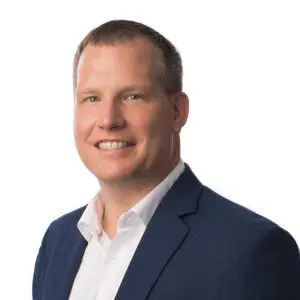
Richard Zink, PhD
Senior Director of Data Management and Statistics, TARGET PharmaSolutions
He is the 2019 Chair of the Biopharmaceutical Section of the American Statistical Association, host of the Biopharmaceutical Section Statistics Podcast, and Associate Editor for the DIA journal Therapeutic Innovation & Regulatory Science. Richard is an author, editor, and contributor to 8 books on statistical topics in clinical trials and clinical research. He holds a Ph.D. in Biostatistics from the University of North Carolina at Chapel Hill, where he serves as Adjunct Assistant Professor of Biostatistics.
Join The Effective Statistician LinkedIn group
This group was set up to help each other to become more effective statisticians. We’ll run challenges in this group, e.g. around writing abstracts for conferences or other projects. I’ll also post into this group further content.
I want to help the community of statisticians, data scientists, programmers and other quantitative scientists to be more influential, innovative, and effective. I believe that as a community we can help our research, our regulatory and payer systems, and ultimately physicians and patients take better decisions based on better evidence.
I work to achieve a future in which everyone can access the right evidence in the right format at the right time to make sound decisions.
When my kids are sick, I want to have good evidence to discuss with the physician about the different therapy choices.
When my mother is sick, I want her to understand the evidence and being able to understand it.
When I get sick, I want to find evidence that I can trust and that helps me to have meaningful discussions with my healthcare professionals.
I want to live in a world, where the media reports correctly about medical evidence and in which society distinguishes between fake evidence and real evidence.
Let’s work together to achieve this.


